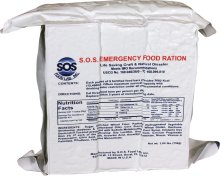
 Everyone should have a bug Out bag for emergency evacuation. And a certain set of necessities in it. And many of these necessities can be be pretty darn cheap and still be quality items. Here is a list of useful bugout bag items you should consider that won’t break the bank.
Survival and Prepping
Surviving and preparing for catastrophy
Scavenging or Looting. Which is it?
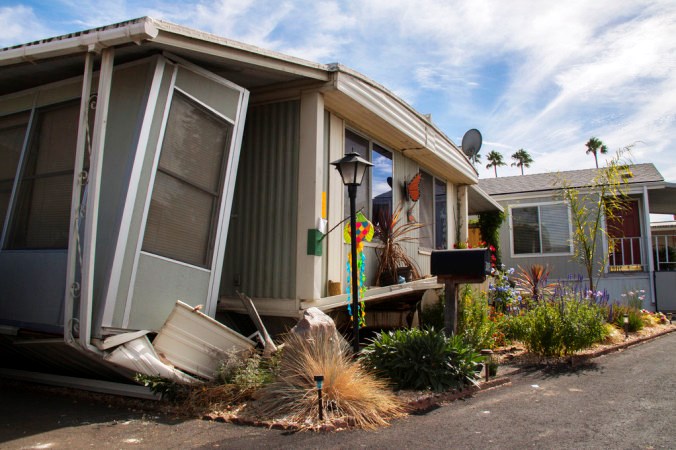 Survival is about staying alive. Survival preparation is about acquiring the skills and supplies to survive long term if necessary. However, no matter how much you stock up, in an extended survival situation, you are going to run out of vital necessities. So how do you get the things you need?
Seven Basic Survival Skills You Need to Learn
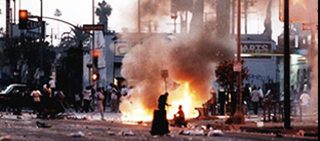 If you are serious about being prepared to survive any eventuality, then there are several skills you need to learn. But if you are a beginner, there are a core set of skills you need to get a handle on first. Survival experts often disagree on what these skill sets are and in what order they are important, because there are a lot of variables involved. But from my point of view, there are seven basic skills anyone who is interested in surviving the worst case scenario should master first. Here is my take.
Finding Directions Without a Compass or GPS
 In an emergency situation where you have to move rapidly, knowing direction can be critical. But what if you don’t have a GPS or compass, lost it, or it broke? Knowing how to find North by other means, either in an urban or rural environment is an essential skill. Let’s look at some ways to do that.
SnugPak Softie 3 Merlin Sleeping Bag
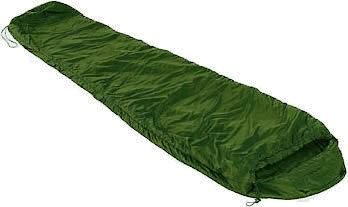 Every one should have a bug out bag packed and prepared to go with at least three days necessities. Since sleeping is definitely a necessity in a stressful situation, it requires careful planning in the selection of gear. Weight in a bug out bag is a serious consideration. Sleeping gear can become a large portion of that weight. The SnugPak Softie 3 Merlin is a potential answer to the problem.
Luci Solar Powered Inflatable Lantern
 Every ounce you save in your bug out bag is important, and having a proper light source whether bugging in or out is essential. This inflatable, waterproof , lightweight solar powered lantern fills the bill. The Luci Solar Powered Inflatable Lantern is truly an amazing invention.
Personal Security In and Out of the Home (part 1)
 Many people prepare for serious emergencies from basic SHTF scenarios all the way up to TEOTWAWKI. But if you are old enough to remember America of the 50s and 60s, you will realize that many parts of the United States have slid into a limited form of SHTF on a daily basis. The recent events in Ferguson have shown that government at the Federal and state level are unable or unwilling to maintain order so that politicians can do what they do well: Play politics. And to hell with the safety of the public. Your individual security is mostly up to you. And in reality, it always has been.
Paracord Spool Tool
 Every now and then I will run into a product that leave me scratching my head thinking ‘Why didn’t I think of this”. This is one of them. Keeping your spare paracord manageable can be a chore. And when you want to use it you need to whip out the knife to cut the length, and then fish in your pocket for the cigarette lighter to melt the end to keep it from fraying. This little gem makes paracord using so much easier.
Lone Wolf Prepper, Family Prepper, or Survival Grouper?

This has been an ongoing subject in the prepper and survival community for a long time. If SHTF should you go it alone, or should you be a member of an organized prepper group? Or some version of both?
Binoculars for Preppers

Steiner 8×30 Military Marine
I believe that there are critical pieces of equipment that preppers should consider when putting together their equipment. A good set of binoculars is one of them. So how do you go about selecting the right binoculars for you?
Digging Tools for Preppers
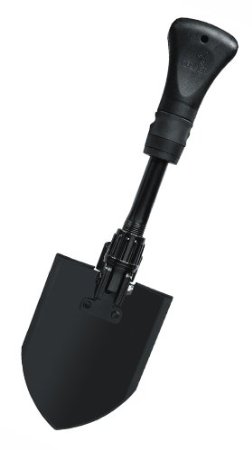 Shovels, entrenching tools, whatever you want to call them, have a place in the prepper scheme of things. So what do you need and what is available?
Selecting Blades for Survival and Field Use Part 2.
 In Part 1 we discussed four categories of blades useful for survival and field use: Folding blade knives, fixed blade knives, the Kukri and the machete. But there are some other types of edged weapons/tools that you might want to consider for your kit.
Valley Food Storage (Product test)

White Bean and Lime Chili
I have had the opportunity to eat a wide variety of “field” or “Emergency” rations over the years. From military C rations in Vietnam to the whole line of MRE’s including today’s varieties (which I can buy in military commissaries), foreign military rations, and civilian freeze dried foods. I am always looking for efficient and tasty long term storable food, so when Valley Food Storage asked me to test one of their products, I happily agreed.
Selecting Blades for Survival and Field Use Part 1
 The sharpened edge is probably the first tool humans made. From sharpened bone, to knapped stone, to bronze, then iron and steel, we now have a selection of edged weapons and tools for every use. So what do you need?
Winter Survival While On the Road
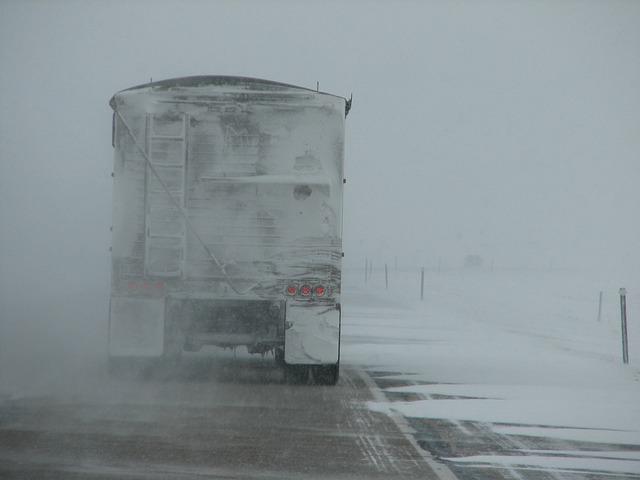 This article is by guest author Dave Steen of PreppingPlans.com. It is a good read and his bio is at the end of the article.
Plan Your Preps for 2015 Part 3
 In Part 1 we discussed organizing your prep lists. In Part 2 we discussed how to set goals using the SMART method. Now lets consider some specific areas you might want to set goals for, or to revisit if your situation has changed. So what are you prepping for anyway? Have the threats you prepped for last year changed?Are new threats being considered? Do your preps reflect your perception of the current threats? Lets discuss threat analysis.
Plan Your Preps for 2015 Part 2
 In Part 1, we discussed how to organize your preps into lists. I used my Excel spreadsheet as an example, but any organized list system will do. By using organized lists, you can make a logical plan of how to continue your preps. By frequently checking your lists, one of which should be goals you want to achieve, you can sit down and plan this years prepping goals in a logical manner. But there is a method to goal setting. Lets consider it.
Plan Your Preps For 2015
 Well, I woke up this morning to see that the world didn’t blow up last night. But it is in the same sorry state that it was at 1159hrs. 31 Dec. 2014. Just new numbers on the calendar. But since we use the calendar to plan so much of our lives, I think the first week in January is an opportune time for preppers to evaluate the current state of their preps, and to sit down and seriously plan their prepping strategy for 2015. Here are a few items I think you should consider.
Water, The Second Consideration Part 3 Finding and Purifying

Water, The Second Consideration Part 2 Carrying and Transporting
 In Part 1 we discussed aspects of storing water, primarily in a bug in situation. But what if the S really HTF, and you need to get out of Dodge in a hurry? How do you effectively carry water on you or in your vehicle?
 Azweaponcraftprepper